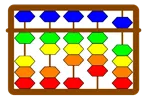
Welcome To Learning with Lynette
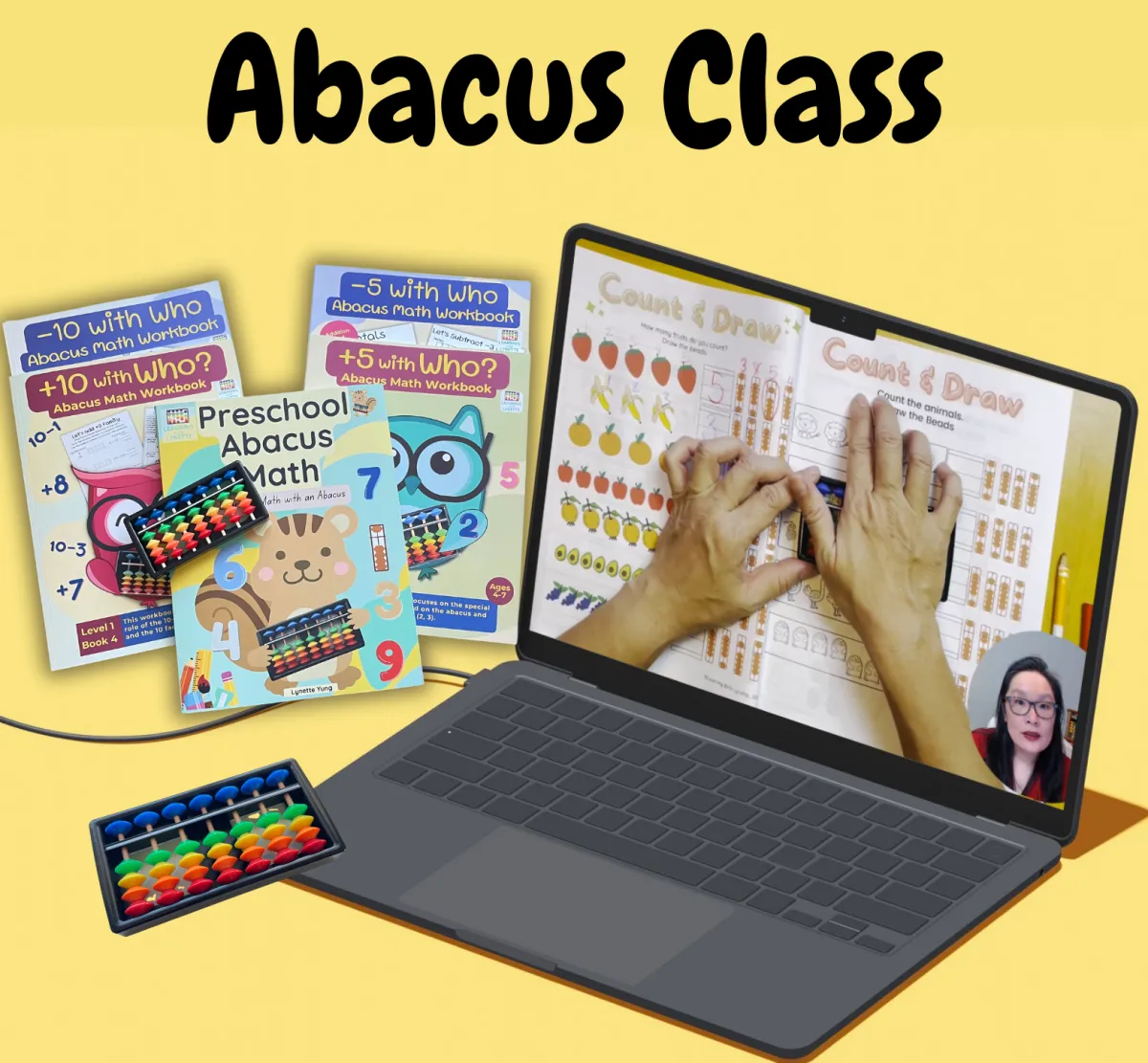
Sign for Online Abacus Class
Build Strong Math Foundations
Sign Up for Abacus Class
Discover how hands-on abacus learning can help your child build strong math foundations, sharpen focus, and actually enjoy learning.
Abacus classes designed to help:
Number Sense-understanding number and its relationship
Number Flexibility-manipulate numbers in various ways
Number Fluency-the ability to quickly recall basic math facts, which frees up cognitive resources for more complex problem-solving.
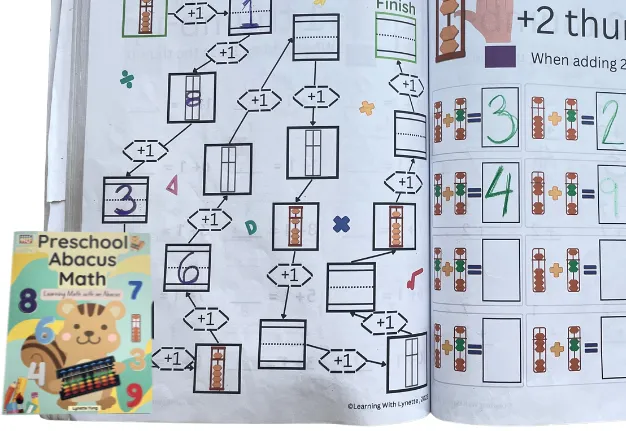
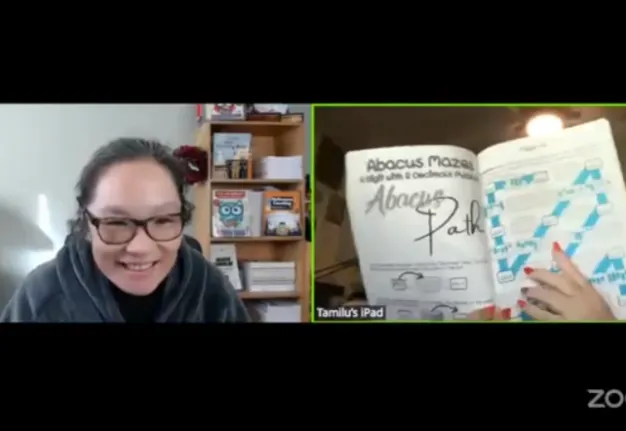
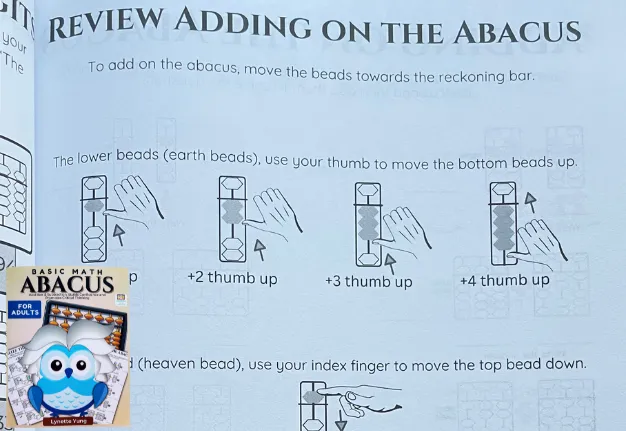
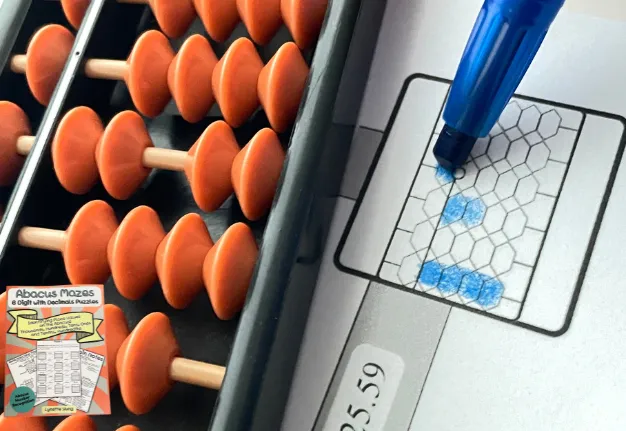
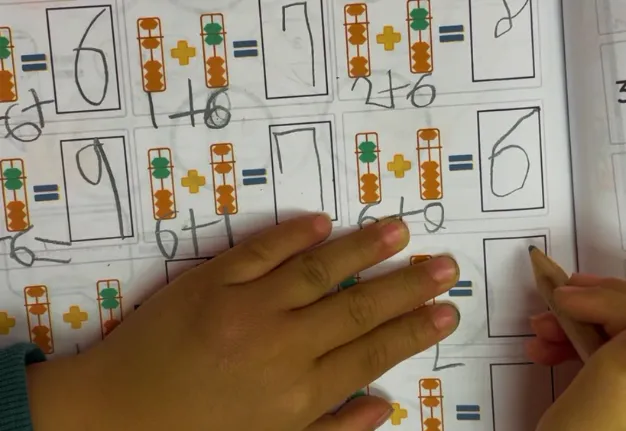
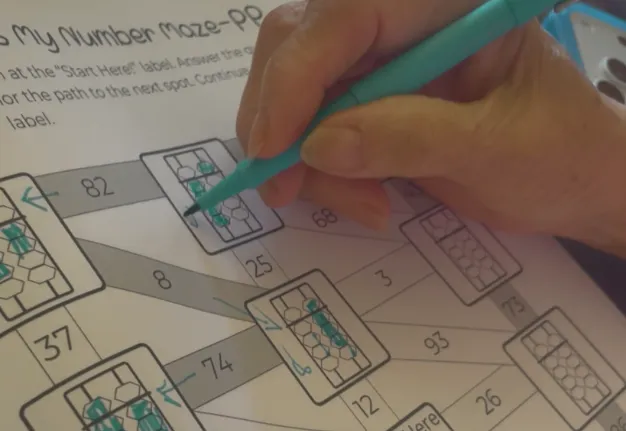
Instead of memorization turn into visualization: Learners aren’t recalling facts—they’re operating on a mental structure they deeply understand.
Abacus bridges concrete → abstract thinking: Mental math isn’t “just thinking harder”—it’s thinking with a model.
The abacus reduces working memory overload: Abacus users learn patterns of movement (like 5-and-more, 10-and-more), so the brain starts recognizing quantities instantly—similar to how we recognize dice patterns without counting.
Abacus strengthens place value automatically: Every column on the abacus is a place value. Each number is represented in each column.
The abacus helps with mental math because it teaches the brain to see numbers as structured quantities, not just symbols.
Feedback
I have enjoyed coming to your open office. You have helped me see things visually. Lynette thank you for being so thorough when answering my questions. I am learning so much more. The abacus is an amazing tool in math. I look forward to open office.
Miss Lynette has been a valuable resource in continuing to teach the Abacus to students of all ages. Her book for adults takes you through the steps of learning the basics and building on those concepts to do more advanced addition and subtraction. Honestly, I had a hard time putting it down because I just wanted to learn more. Highly recommend for anyone wanting to learn a new skill or just wanting to improve on the foundations of already learned mathematics. You will not be disappointed.
Thank you so much! This will be awesome for my abacus 🧮 practice. -🙎♀️ It became soothing to mentally focus on the pages, then solve problems with my abacus. This workbook was structured with VERY beginning concepts at first, for those who have never worked an abacus, then through the pages—new skills were added on. By the end of working the book, I was doing double and triple digit addition and subtraction. My happiest moment was when my hands started to make exchanges before my head thought out all the steps. Practice really does pay off. I am hoping Lynette will make more books in the future…more complex addition and subtraction, and even multiplication, division. I would love to learn more. As a (former) homeschool mom, I can see this being a useful part of math studies.
Faqs
1. Isn’t learning the abacus hard or complicated??
Not at all. Many learners start by saying, “I’m not a math person.” The abacus is designed to make math visible and logical, so confidence grows naturally as understanding improves. Learners are also surprised that the abacus is simple to use and easy to understand. The abacus actually reduces complexity by showing place value clearly.
2. Will learning the abacus help with regular school math?
Yes. The abacus uses the base 10 place value just like public schools (often referred to as Eurocentric or Western math) the abacus is a physical model of the base 10 structure. Beyond just place value and counting, the abacus is also utilized for operations such as addition, subtraction, multiplication, and division.
3. Can adults or seniors benefit from learning the abacus?
Yes! Absolutely. The abacus is a powerful tool for adults and seniors who want to keep their minds active, sharp, and engaged. Unlike puzzles that can feel confusing or discouraging, the abacus provides clear structure and immediate feedback. Learners always know what they’re doing and why it works, which helps maintain confidence and motivation.
4. People say the abacus is a “brain workout.” What does that mean?
Using the abacus engages multiple parts of the brain at once—visual, logical, memory, and motor skills. It keeps the brain active without being stressful, similar to a gentle but effective mental workout.
5. What does it mean when people say it “tickles the brain”?
Learners often describe abacus math as engaging and satisfying. It provides just enough structure and information to challenge the brain without frustration—unlike puzzles that feel hard right away.
6. Why do people choose your abacus workbooks after trying it?
Once learners realize math can feel calm, clear, and even enjoyable, they want to continue. The workbooks help them build on that confidence with structured, approachable practice. I’ve had learners tell me they were so ‘addicted’ to abacus math that they couldn’t put the workbook down until they finished it. Not because they were forced—but because their brain was engaged, curious, and enjoying the challenge.
Testimonials

John Doe
Lorem ipsum dolor sit amet, consectetur adipiscing elit, sed do eiusmod tempor incididunt ut labore et dolore magna aliqua. Ut enim ad minim veniam, quis nostrud exercitation ullamco laboris nisi ut aliquip ex ea commodo consequat.


Jane Doe
Lorem ipsum dolor sit amet, consectetur adipiscing elit, sed do eiusmod tempor incididunt ut labore et dolore magna aliqua. Ut enim ad minim veniam, quis nostrud exercitation ullamco laboris nisi ut aliquip ex ea commodo consequat.
We’d love to hear from you! Whether you have questions, feedback, or simply want to connect, I am here to help. Reach out today and let’s stay connected.


© Copyright Learning with Lynette 2025.
All rights reserved